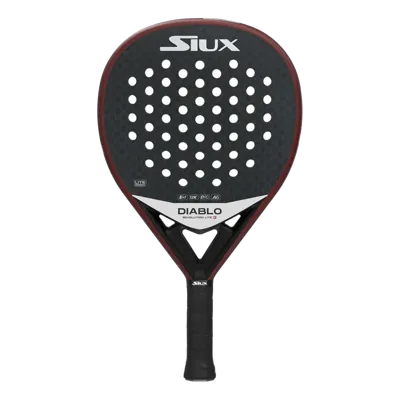
Siux Diablo Revolution Lite 3
7.2padell.io scoreSpecs only- Shape
- Hybrid
- Weight
- 355 to 375 g
- Balance
- Even
- Core
- EVA
An all-round racket: easy to place the ball. Made for advanced players.
Worked out from the published specs. No editorial review yet.Strong at
- Easy to place the ball
Less strong at
- Slower to swing
How it plays
Line = the average of all rackets ▲ above ▼ below
An all-round racket: easy to place the ball.
Specifications
Not published by the brand: head size, handle
No longer on padelnuestro.com
Specs from padelnuestro.com · checked 23 September 2026 · Spotted a wrong spec? Report it →
The price is followed as soon as a shop in your market sells it.
Similar rackets
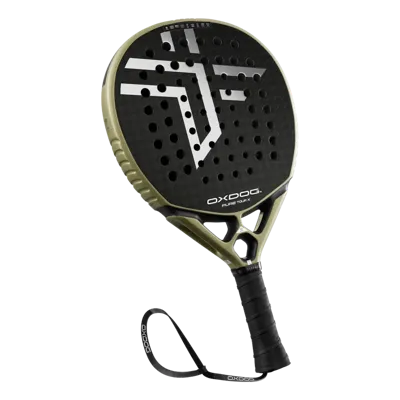
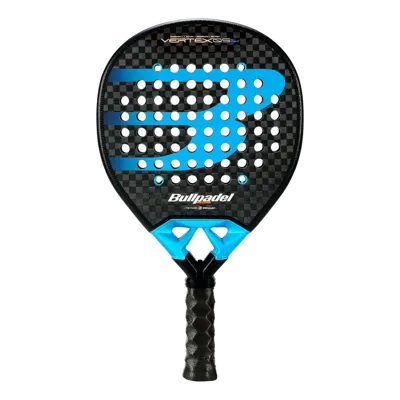
All rackets that play like the Siux Diablo Revolution Lite 3 →
Questions before you buy
What is the closest alternative?
The Oxdog Pure Tour X 2026 plays most alike. Differences: comfort +1.0. Today: € 249.90.
Compare side by side →Who should not buy it?
Skip it if your elbow or shoulder complains (comfort 5.0/10), or if you are still learning: it is not very forgiving (5.0/10).
How heavy is it really?
The brand gives 355 to 375 g. That counts as medium. Each racket can differ within that range.
Why a range? →