Round, teardrop or diamond: which racket shape suits you?
The shape decides where the sweet spot sits and how the weight is spread. Three shapes, three kinds of player.
Look at a padel racket from the front and you see its character straight away. The shape of the head decides where the sweet spot sits, how the weight is spread and how much the racket forgives a mistimed shot.
There are three shapes. Brands add names like hybrid or oversize, but almost every racket is one of these three or sits in between.
Averages over every racket in padell.io with that shape, worked out from the brands' own specs.
Round: the easiest to play
A round head keeps the widest part low, close to your hand. The balance sits low, so the racket feels light at the tip and turns quickly in defence. The sweet spot is large and sits in the middle of the face.
What that means on court: a ball you hit a few centimetres off-centre still goes where you aimed. What you give up is punch. A smash with a round racket needs more of your own speed.
Good fit: beginners, players who defend from the back and anyone with an arm that complains after a long evening.
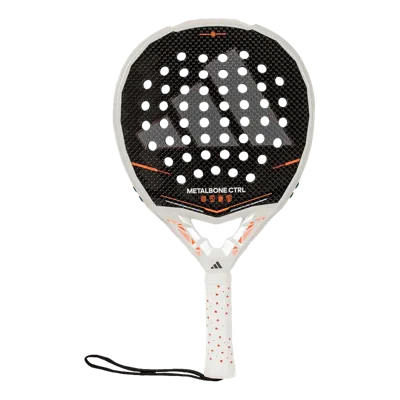
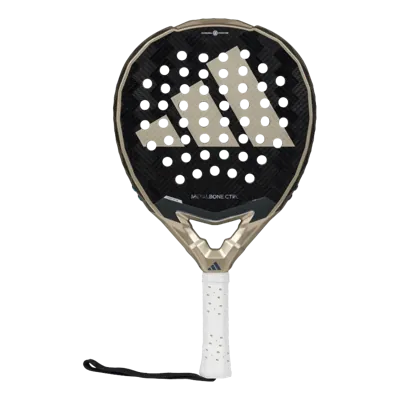
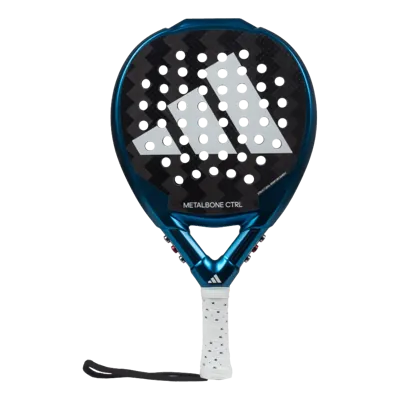
Teardrop: the middle ground
The head widens towards the top. Balance is medium, the sweet spot a little higher than on a round racket. You get more power on overheads without losing much control in the rallies.
Fewer rackets carry the teardrop label than you might expect. Brands often sell this middle ground as hybrid, so check the balance rather than the name.
Good fit: intermediate players who do a bit of everything, and anyone who is not sure yet. A teardrop is rarely the wrong choice.
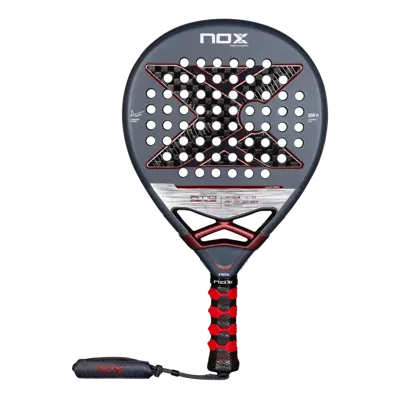
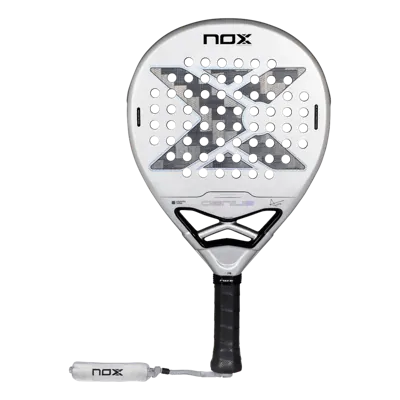
Diamond: built to finish
The widest part sits high on the face. The balance moves to the head, so the racket swings through with more weight. The sweet spot sits near the top, right where you hit a smash.
The catch: miss that spot and you feel it. A diamond punishes late or off-centre contact more than the other two shapes, and the vibration goes straight into your elbow.
Good fit: advanced players with clean technique who play the left side and want to end points.
Shape is only half the story
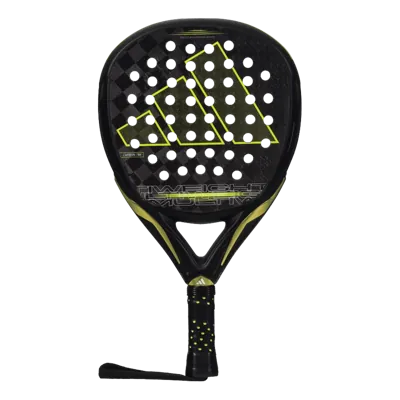
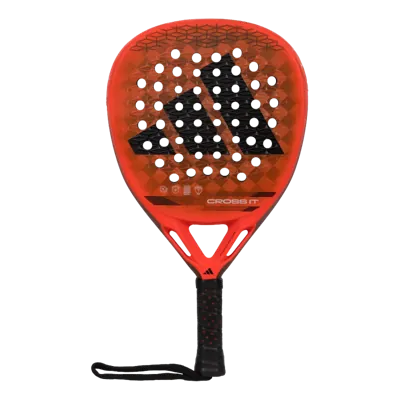
Two rackets with the same shape can still play very differently. Three specs change the picture:
- Balance. Brands give it as low, medium or high, or in millimetres from the butt. A teardrop with high balance plays close to a diamond.
- Weight. 355 g or more adds power and stability, but also strain on the shoulder in a long match.
- Core and face. Soft EVA or foam makes a racket gentler, hard EVA gives more control and pop. Carbon faces are stiffer than fibreglass.
Every racket page on padell.io shows these specs side by side, with where they come from. The racket finder weighs all of them against your answers.