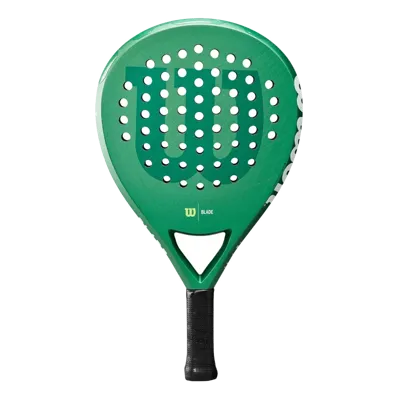
The Blade LS V3 is a teardrop racket with a soft EVA core and a fiberglass face, weighing 355 g at a 260 mm medium balance. On paper that combination favors comfort and control over power. The catch: no independent review of it is on record yet.
RBy Ruud Caris · facts checked 28 September 2026Choose it if
- you want a teardrop shape without the arm strain that stiffer cores bring
- you play a control game and are fine trading away raw power
- you are starting out or moving from beginner to intermediate level
Skip it if
- you rely on flat, powerful shots, since power reads low here whatever Wilson's own copy says
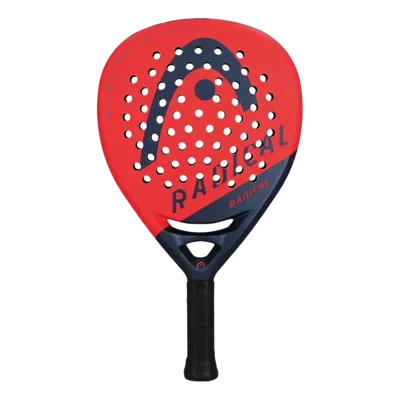
- you want a heavier overall racket, since the Head Radical Elite 2024 weighs 365 g against 355 g here
- you want a review from someone who played it, since none exists yet
How it plays
Line = the average of all rackets ▲ above ▼ below
The specs sketch a racket built to soften the game, not speed it up.
- Control the teardrop shape and medium balance push shots where you aim them.
- Power the soft core and fiberglass face keep pace down, so you supply the pace yourself.
- Comfort the same soft core and fiberglass face absorb shock well.
- Handling the balance lets the head move without much lag.
- Forgiveness the teardrop shape and soft core widen the forgiving zone.
Specifications
Not published by the brand: head size, handle
Specs from padelnuestro.com · checked 25 September 2026 · Spotted a wrong spec? Report it →
Video reviews
1 video from an independent channel or shopPrice history
Lowest price per day across the shops in your market. Checked every night.
Wilson pitches the Blade LS V3 as a lightweight racket for players who want control without giving up stability. Strip away the marketing language and the specs mostly agree with that framing, though the balance is more nuanced than a single sales line suggests.
Soft EVA, fiberglass face: comfort first, power last
The core is soft EVA, the face fiberglass, and together they explain most of what this racket does. Soft cores flex more on contact. That softens the feel and helps control. It also caps how much pace comes back. The fiberglass face reinforces that pattern: it flexes rather than snaps the ball out. Power stays low while comfort climbs. That is not a flaw. It is a design choice. If you already generate your own pace, a racket that does not add extra power on top can feel more manageable, not less effective.
No reviews yet
No independent review of this racket is on record yet. The control and comfort reading comes from the core, face and shape alone. Treat it as a strong signal from the specs, not a confirmed verdict, until a review from court play appears.
355 g at 260 mm: what that balance buys you
At 355 g and a 260 mm balance, the racket sits in medium territory rather than head-heavy or head-light. That balance point is why maneuverability lands medium rather than low. The head does not lag behind your hand the way heavier, head-heavy frames do. Thickness is 38 mm, in line with most teardrop rackets at this level. None of these numbers point toward power. All of them point toward a racket that rewards timing and placement over swinging hard. For players moving up from a beginner frame, that kind of predictability often matters more than extra pace.
LS V3 or LS V4: a level label is the only change
The Wilson Blade LS V4 shares the same balance, core, face, shape, thickness and weight as the V3. The published difference is the level label. The V3 lists Beginner / Intermediate. The V4 adds Advanced. On every other spec they read identically. If a shop only stocks one of the two, that alone should not be the deciding factor. The comparison page lays the numbers side by side, so you can check for yourself whether anything else has shifted since this text was written.
What Wilson claims, and what the meters do not confirm
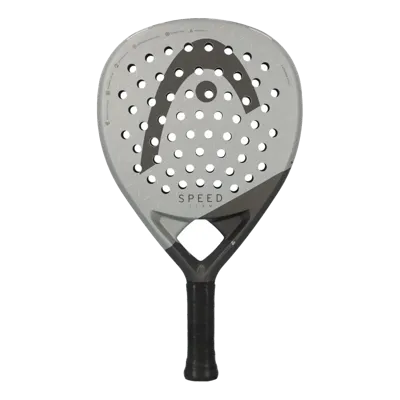
Wilson's own copy describes the racket as powerful and suited to players seeking power without compromising stability. The specs point the other way: low power, high comfort, positive control. That is a real gap between the marketing language and what the materials suggest on their own. It does not mean the racket underperforms. It does mean the word power in Wilson's description deserves some skepticism. Players comparing options at a similar level might also look at the Head Radical Elite 2024. It uses a Control Foam core and weighs 365 g, heavier than this racket at the same balance point. Or they might check the Head Graphene 360 Alpha Tour, listed at an Advanced level but with the same low power rating as this racket.
Similar rackets
Questions before you buy
Is the Blade LS V3 different from the Blade LS V4?
On published specs, no. Balance, core, face, shape, thickness and weight all match. The listed difference is the level label, with the V4 adding an Advanced tag.
Is this racket powerful?
The specs point to low power. The soft EVA core and fiberglass face are built for comfort and control rather than pace.
Has anyone reviewed this racket after playing it?
Not yet. No independent review of it is on record.
What level of player is this racket for?
It is listed as Beginner / Intermediate. Players wanting an Advanced tag on a similar teardrop shape might look at the Head Graphene 360 Alpha Tour, though its power rating is the same as this racket's.
Is the Blade LS V3 worth the money right now?
Today's price is labelled "Fair price" compared with the rackets that play most alike. Which shops deliver, and what shipping costs, depends on your country. The price comparison shows it for yours.
See all pricesWhat is the closest alternative?
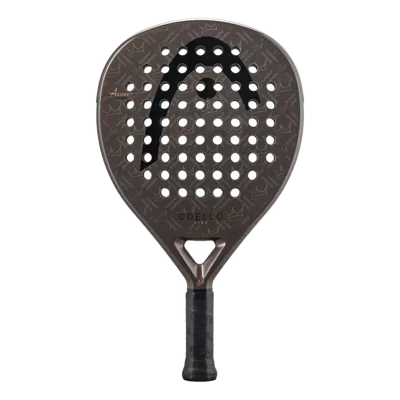
The Head Coello Vibe 2026 plays most alike. On paper the differences are under one point.
Compare side by side →Who should not buy it?
Skip it if you want easy power for smashes (power 5.0/10).
How heavy is it really?
The brand gives 355 g. That counts as medium. Each racket can differ within that range.
Why a range? →