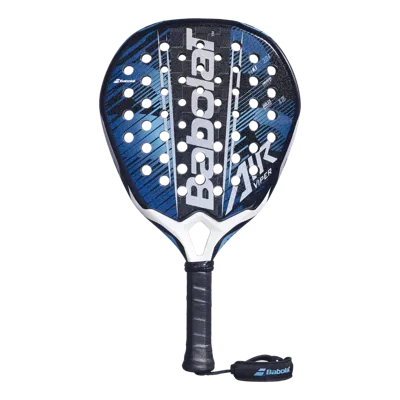
Five reviewers have played the Babolat Air Viper 2.6 on court. They do not agree on something as basic as whether it is light or heavy. One video review calls it slightly heavy. Another calls it slightly too light. One says it lacks power for smashes, another calls it a fast and powerful tool. That disagreement is itself useful: it tells you this racket sits in the middle, and how it reads depends on what you are used to.
What five court tests agree and disagree on
Start with what the sources share. Padel.how, which tested the racket and rated it 79 out of 100, praises its preparation speed and net mobility. Three of the four video reviews, each of which played it on court, call it agile, fast and easy to handle. The fourth, from Padel Smash TV, highlights how forgiving and comfortable it feels in defense. Control gets a positive mark from padel.how and from the video reviewers who mention it.
Then the split. On weight, one channel finds it slightly heavy, another slightly too light. 355 g is a middle weight, and the even balance keeps it from feeling head-heavy. Both readings make sense. On power, padel.how credits it with accessible attacking pace, while one video review says it lacks some punch for smashes. Both can be true. This racket converts your swing speed into pace; it does not add mass for you.
Even balance at 355 g, fast without a heavy head
Babolat lists the balance as even, and a retailer measures it at 265 mm. That is a medium balance point. Nothing sits in the head, nothing hides in the handle. The result is a racket you can prepare early and change direction quickly, which is exactly what the reviewers keep mentioning.
The shape is teardrop, not round. So the speed comes with more overhead punch than a round control racket would give. Bandejas and volleys stay sharp because the face is quick through the air. The brand calls the target player an Air Striker, and the product page claims extreme maneuverability and reactivity. Marketing words, but the specs and the tests point the same way.
16K carbon on X-EVA: a firm face that rewards clean timing
The face is 16K carbon on a carbon frame, the core is X-EVA at a medium density, and the frame is 38 mm thick. On court that reads as a firm, direct contact. The ball leaves fast when you hit it clean. The ball tells you honestly when you did not.
Babolat adds its VIBRABSORB SYSTEM² against vibration and a 3D SPIN+ textured surface for grip on the ball. Padel.how found the spin strong. One video reviewer disagreed, saying the surface lacks a true rough texture. If spin is central to your game, that difference of opinion is worth knowing before you buy.
A narrow sweet spot, and what it costs you
The clearest warning comes from padel.how: the sweet spot is narrower than on round or all-court models. Their summary is blunt: a fast attacking tool, not a heavy power racket and not a forgiving all-court model. One video review adds that it is not the most forgiving racket. The profile meters point the same way, rating the sweet spot low.
What does that mean for you? Mishits toward the frame lose pace and direction. If your contact point wanders, you will notice. If your timing is reliable, you get precision in return. A tender elbow? The firm face and low comfort rating say try it first.
Viper, Veron or Vertuo: picking your Babolat Air 2.6
Babolat builds the same Air idea at three levels for 2026. The Babolat Air Veron 2.6 keeps the teardrop shape, the weight and the balance. It swaps the full carbon face for Carbon Flex and the X-EVA core for Black EVA. Control and power drop to medium, and the sweet spot grows. It is the friendlier middle option.
The Babolat Air Vertuo 2.6 goes further with a fiberglass face and a weight range starting at 335 g. Comfort rises to medium, control and power fall to low. That is the entry point for players still building technique. The Viper is the sharp end of the three.
Against the Nox AT10 and the Siux Diablo Pro
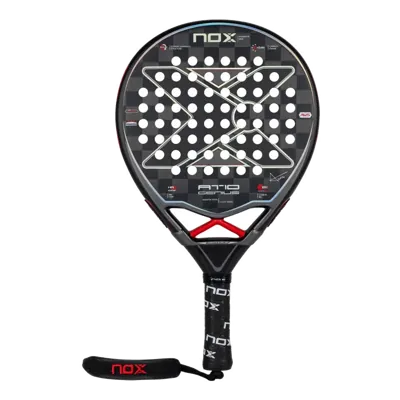
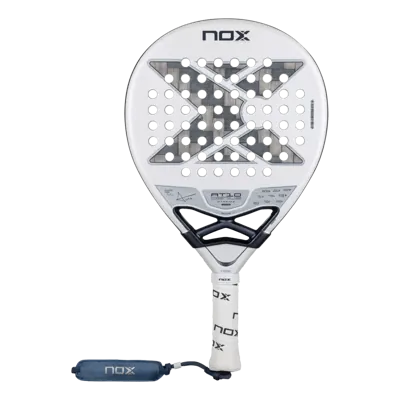
The Nox AT10 Genius 18K By Agustín Tapia 23 is the closest rival in shape and intent. Same teardrop, same 38 mm. The difference: the Nox rates medium on power and medium on sweet spot, where the Viper rates high on power and low on sweet spot. Want more forgiveness, pick the Nox. Want more punch on clean contact, the Viper.
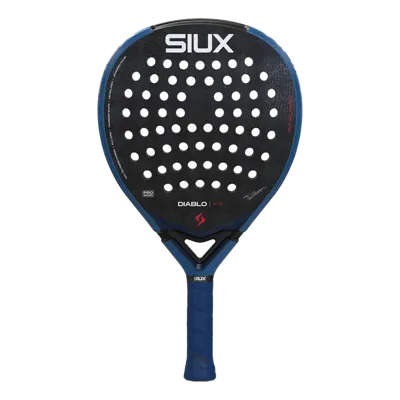
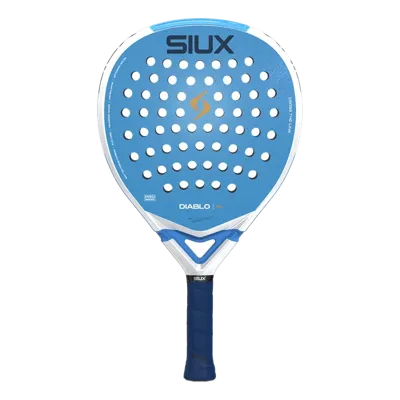
The Siux Diablo Pro 2026 matches the Viper on power and control but weighs up to 375 g and rates low on maneuverability. You can compare the two directly. The Viper is the quicker racket in the hand; the Diablo carries more mass through the ball. Your swing decides which one is right.