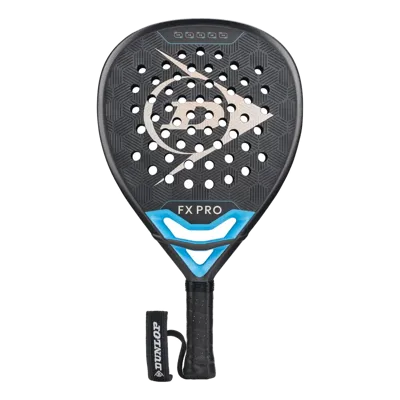
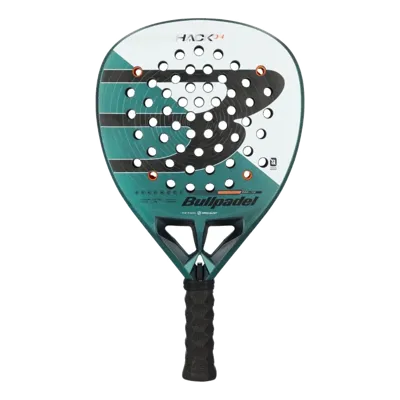
That ladder matters when you shop. The Pro may look right but feel too heavy. In that case the FX Lite is the obvious step down within the same attacking idea. The family gives you a real choice, not just a price ladder.
370 g fixed, diamond, high balance: a spec sheet with one direction
Every number on this sheet pushes toward attack. The weight is fixed at 370 g, no range, no tuning system. That is heavy, and there is no lighter option within the model. The shape is diamond. The balance is listed as high, meaning the weight sits toward the head.
On court that combination adds inertia to your swing. Smashes and aggressive volleys get free pace. The trade is speed the other way: defending fast balls at your feet, reacting at the net, changing direction late. Not quick, but purposeful.
Retailers label the level as advanced and professional. That fits. A fixed 370 g head-heavy racket punishes slow preparation rather than hiding it.
12K carbon over Pro EVA, flat surface: where the direct contact comes from
The face is 12K carbon, which sits in the medium-stiffness band for carbon faces. Under it is a Pro EVA core, a medium-density foam. The surface is flat, with no rough or 3D texture listed. The profile is 38 mm.
Put together, the specs suggest a firm, direct contact. Carbon and a medium core return energy quickly rather than absorbing it. That is what you want on a full swing. It is also what stings on a half-hit defensive lob.
A flat surface is worth noting if you rely on heavy slice or topspin. Some rivals add texture to grip the ball. This one does not, so spin comes from your technique, not the face.
72 out of 100 from the one court test: power and placement, thin cushioning
One source has actually played this racket. Padel.how tested it and rated it 72 out of 100. They rated power and control positively and comfort negatively. Their conclusion: "I would choose the FX PRO for an advanced player who accepts a direct, less cushioned contact in exchange for power and placement."
That matches the spec sheet. Direct contact helps placement on attacking shots and gives the high-balance setup room to accelerate. The downside they found is limited cushioning on imperfect contacts. One test is one test, but it is a court test, and it agrees with the physics.
No balance in millimetres, no frame spec: what Dunlop has not published
Some things you cannot check before buying. The balance is listed only as high; no millimetre figure is published. The frame material is not published either, nor is the head size or handle shape. Shops list a nominal 370 g, which matches the retail spec, but that is one consistent listing rather than an independent measurement.
Does that matter? For most buyers, no. But if you are comparing against a rival that publishes a balance point, you are comparing a label against a number. Worth knowing before you read too much into small differences.
FX Lite, FX Hybrid or Bullpadel Vertex 04 25: picking your attacking racket
Within the family, the decision is about weight and forgiveness. The FX Lite keeps the diamond shape at 355 g with a soft core and a medium comfort rating. The FX Hybrid keeps the 12K carbon but shifts to a hybrid shape, which the meters rate kinder on control.
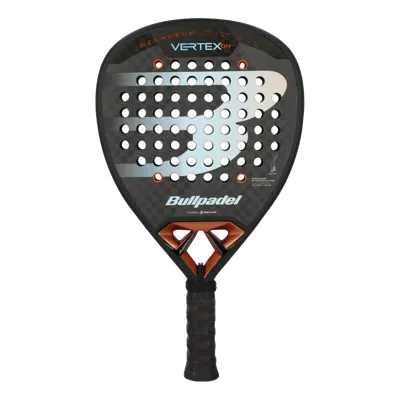
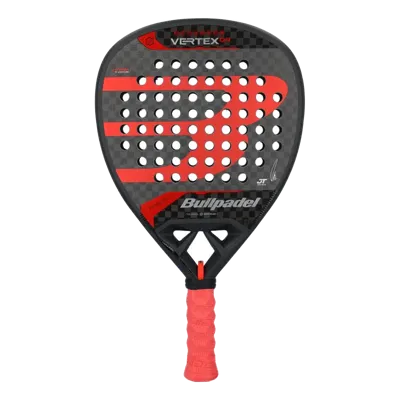
Outside Dunlop, look at the Bullpadel Vertex 04 25. It is diamond, 12K carbon, high balance, 38 mm. It comes in a 365 to 375 g range and carries Juan Tello's name. Same intent, same profile, different brand. Your choice there comes down to feel, because the spec sheets barely separate.