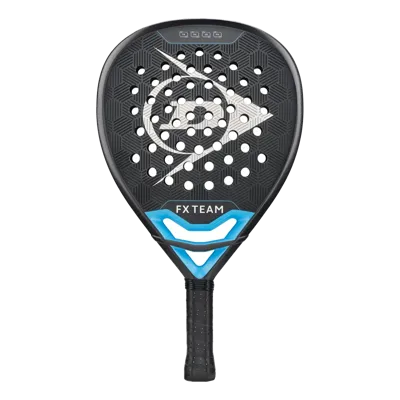
The Dunlop FX Team is a diamond attacking racket with a Beginner / Intermediate label. On paper it pairs a stiff Pro EVA core with Premium carbon at one fixed weight of 365 g. Power reads High; comfort, maneuverability and sweet spot all read Low. Nobody has tested it on court yet, so everything here comes from the specs.
RBy Ruud Caris · facts checked 5 October 2026Choose it if
- you want to attack from the back and finish points with smashes
- you don't mind the extra heft of a fixed 365 g
- you can live with a smaller sweet spot
Skip it if
- you are still learning technique, the [Dunlop FX Hybrid Team](/rackets/dunlop/fx-hybrid-team/) reads friendlier on every meter
- your elbow or shoulder complains after long matches, look at the [Dunlop Aero-Star Lite](/rackets/dunlop/aero-star-lite/) instead
- you defend a lot at the back glass and need quick reactions at the net
How it plays
Line = the average of all rackets ▲ above ▼ below
On paper this is an attacking diamond that asks more of you than its level label suggests.
- Control Medium, because the medium balance and Pro EVA core partly offset the diamond shape.
- Power High, built from the diamond shape, the heavy weight class and the carbon face.
- Comfort Low, the stiff core and the weight work against a soft, forgiving feel.
- Handling Low, diamond shape plus real heft means slower reactions at the net.
- Forgiveness Low, the diamond shape concentrates the hitting zone, so off centre shots cost you.
Specifications
Not published by the brand: head size, handle, frame
Specs from padelnuestro.com · checked 24 September 2026 · Spotted a wrong spec? Report it →
Price history
Lowest price per day across the shops in your market. Checked every night.
The Dunlop FX Team wears a Beginner / Intermediate label on a spec sheet that reads like an attacking racket. Diamond shape. A Pro EVA core listed as stiff. One fixed weight of 365 g. That combination is worth unpacking before you buy, because the label and the build pull in different directions.
Beginner / Intermediate on the label, diamond and stiff on the sheet
The retailer lists the level as Beginner / Intermediate. The specs tell a stricter story. A diamond shape moves the balance of forgiveness downwards: off centre hits lose more than they would on a round or teardrop frame. The sweet spot meter reads Low for exactly that reason.
The core is Pro EVA, and its density is listed as stiff. Stiff cores return energy well when you hit cleanly and late. They punish late or soft contact. For a player still grooving their swing, that is a demanding partner.
So who is the label for? A sporty intermediate who already generates their own swing speed and wants help finishing points. Not for someone in their first year.
365 g fixed with medium balance: why the maneuverability meter still reads Low
There is one weight only: 365 g. No lighter option, no heavier option. That is heavy for a racket aimed at developing players. You notice it most in fast exchanges at the net. There the racket has to start and stop quickly.
The balance is listed as Medium, with no figure in millimetres published. A medium balance normally helps handling. Here it softens the effect but does not erase it: the maneuverability meter still reads Low, driven down by the diamond shape and the weight class. Expect stability on full swings, not flickability in the defensive corners.
Pro EVA under Premium carbon, flat surface: where the High power comes from
The face is Premium carbon over the Pro EVA core, with a flat surface and a 38 mm profile. The product page talks about superior power on smashes and aggressive volleys. On paper the construction supports that direction. The power meter reads High, raised by the diamond shape, the carbon face and the weight.
A flat surface means grip on the ball comes from your technique, not from a rough finish. If you like to shape a bandeja or a vibora with heavy spin, that is on you. The frame gives firmness and a clean response, not extra bite.
What you get back is a firm, solid contact. The product page calls it a firm and professional feel. Translated: little flex at impact, clear feedback, and full reward when your timing is right.
Low comfort and Low sweet spot: what a stiff diamond asks of a developing arm
Comfort reads Low. The stiff core raises it somewhat, the weight pulls it down. Combined with the Low sweet spot, mishits travel up your arm more than they would on a softer, rounder racket.
That matters most over a long match or a heavy training week. If your elbow or shoulder has a history, treat this as a real consideration, not a footnote. You can soften the feel with an overgrip and by avoiding balls you reach late, but the construction is what it is.
Players who hit cleanly and want a solid, connected response may read the same firmness as a plus. It is feedback, not punishment, when your timing holds up.
No court test anywhere, no balance in millimetres: reading the specs honestly
No independent review of this racket exists yet. Nobody has published a court test, a rating or even a first impression. Everything on this page comes from the listed specs and the profile they produce.
Some figures are simply not published: the balance in millimetres, the frame material, the head size. Where that is the case, this page says so rather than guessing. The specs that do exist paint a consistent picture, but a played review could still shift the judgement, especially on comfort and control.
FX Team, FX Hybrid Team or Aero-Star Lite: picking your entry into Dunlop's FX line
Within the 2026 FX line, the Dunlop FX Hybrid Team is the gentler sibling. It has a teardrop shape, a fiberglass face and 360 g, with Medium on comfort, maneuverability and sweet spot. If the FX Team's Low meters worry you, that is the in brand alternative.
The FX Pro goes the other way: high balance, 370 g, aimed at advanced and professional players. The FX Team sits between those poles, attacking in shape but labelled for a broader level.
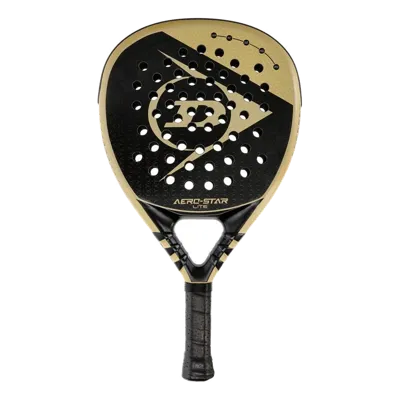
Outside Dunlop, the Dunlop Aero-Star Lite keeps the diamond shape and High power at 355 g with Medium comfort. See the full comparison if comfort is your deciding factor.
Similar rackets
Questions before you buy
Is the Dunlop FX Team good for beginners?
The label says Beginner / Intermediate, but the specs are demanding. Diamond shape, stiff Pro EVA core, 365 g, and Low readings for comfort, maneuverability and sweet spot. A true beginner will progress faster on a rounder, lighter racket such as the FX Hybrid Team.
What is the difference between the FX Team and the FX Pro?
Both are diamond shaped with a Pro EVA core and 38 mm profile. The FX Pro has a high balance, a 12K carbon face and 370 g, and is listed for Advanced / Professional players. The FX Team sits a step below, with a medium balance and 365 g.
Is the FX Team comfortable for a sensitive elbow?
On paper, no. Comfort reads Low, the core density is listed as stiff, and the weight is a fixed 365 g. The Aero-Star Lite keeps the diamond shape but reads Medium on comfort at 355 g.
Has anyone tested the Dunlop FX Team on court?
Not yet. No independent review, rating or court test has been published. Everything on this page is drawn from the listed specs, and a played review could still change the picture.
Is the FX Team worth the money right now?
Today's price is labelled "Good value" compared with the rackets that play most alike. Which shops deliver, and what shipping costs, depends on your country. The price comparison shows it for yours.
See all pricesWhat is the closest alternative?
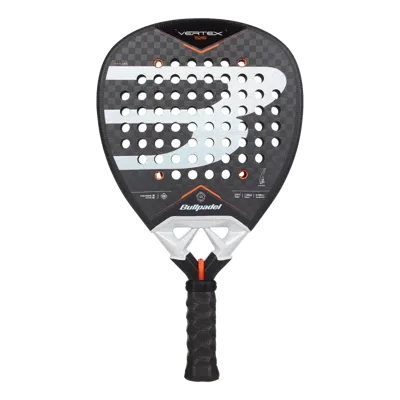
The Bullpadel Vertex 05 27 plays most alike. On paper the differences are under one point. Today: € 309.95.
Compare side by side →Who should not buy it?
Skip it if you rely on placement and long rallies (control 5.5/10), or if your elbow or shoulder complains (comfort 5.0/10), or if you are still learning: it is not very forgiving (3.5/10).
How heavy is it really?
The brand gives 365 g. That counts as medium. Each racket can differ within that range.
Why a range? →