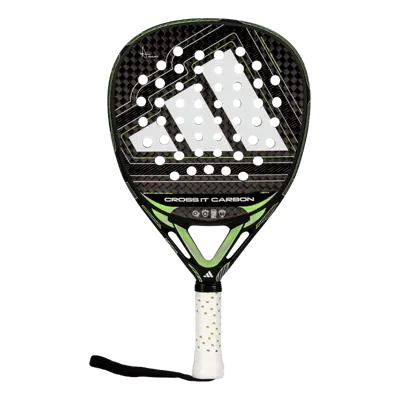
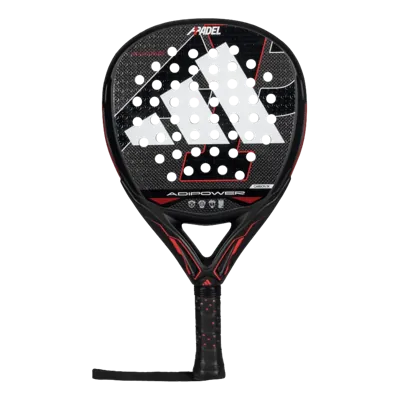
Weight between 360 and 375 g, a diamond shape and a head-heavy balance: that is the starting point here. Two video reviews played this racket and cannot agree on what that means for your arm. One channel warns you off if you have had injuries. The other calls it agile and easy to move. Both tested it on court, so this is not a spec-sheet argument.
Two court tests, two opposite rackets: where La Chiquita Pádel and Probando Palas split
La Chiquita Pádel played it and came away calling it demanding. Heavy to handle, slow to move quickly, and not recommended for players with previous injuries. They did praise the comfort, the defensive feel and the power on smashes.
Probando Palas played it too and saw something different. They found it agile, easy to swing, with accessible power and decent defensive behaviour. Their criticism went elsewhere: control at high speeds, some instability on volleys, and a sweet spot less forgiving than expected.
Both reviews are court tests, so neither is guessing. The honest reading is simple. This racket gives easy power and a comfortable hit. Whether the weight in the head feels manageable depends on your strength and technique. If you have had previous injuries, take the warning seriously.
360 to 375 g, diamond, head-heavy: the spec sheet behind the disagreement
The numbers explain why the debate exists. Diamond shape, balance labelled head-heavy by adidas, and a weight range of 360 to 375 g. That combination concentrates mass toward the top of the racket.
On court that means more force behind a smash and more stability when you hit through the ball. It also means slower preparation on fast volleys and more load on your wrist and elbow over three sets. Not a flaw, but a trade. Players with a full, fast swing get the benefit. Players who rely on quick wrist adjustments pay the cost.
The profile derived from these specs points the same way: high power, low control, low maneuverability, low sweet spot, medium comfort. That is the classic attacking diamond, with the soft core softening the edges.
EVA Soft Performance under 6K carbon: the soft core both sides agree on
The core is EVA Soft Performance, a softer foam. The face is 6K carbon. A soft core under a carbon face gives a longer contact time and a more cushioned hit than a hard core would.
You notice that on defense and on bandejas, where the ball comes off with less effort. It also explains why both reviewers mention comfort even while disagreeing about the weight. The trade is a less direct, less crisp feel when you want to place the ball exactly. Hard-core rackets give you more feedback; this one gives you more help.
Adidas labels the surface Spin Blade Decal, its grip layer for adding spin. Treat that as the brand's claim, not a measured effect.
Spin Blade Mold out, Spin Blade Decal in: the one change since 2025
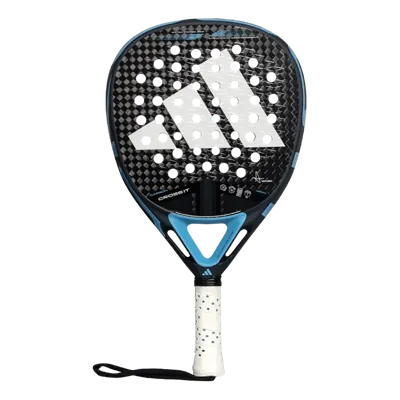
The 2025 version, the adidas Cross IT Carbon-Maxi Arce, shares almost everything with this one. Same shape, same balance label, same core. Same 6K carbon face, same 38 mm frame, same 360 to 375 g range.
What changed is the surface finish. Spin Blade Mold became Spin Blade Decal. That is a changed label on the spec sheet, not a measured difference in play, and no source has tested whether you feel it. If you already own the 2025 model, there is no published reason here to switch.
Maxi Arce in the name, balance in millimetres not published: what you cannot check
The racket carries Maxi Arce's name. The 2025 version listed him as the associated pro player; for 2026 adidas has not published that. No balance figure in millimetres is published either. Head-heavy is the label, but how head-heavy is something you cannot verify from the spec sheet.
The frame material is also not published. Neither is the head size in square centimetres. What you can check: adidas rates the level as professional, and a retailer lists the player profile as power. Both are labels, not measurements, but they match the rest of the build.
The product page adds claims about the hole pattern, saying the central holes are smaller for rigidity and that the layout reduces air resistance. Those are adidas's claims. No independent source has verified them.
Metalbone Carbon 3.4, Adipower A1 or this one: picking your adidas diamond
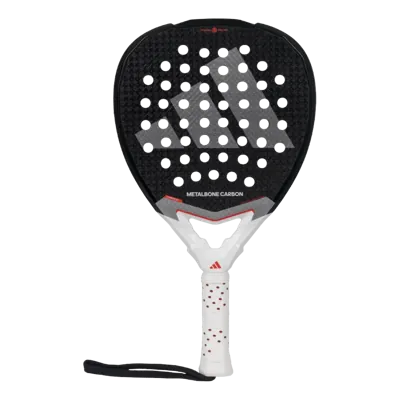
Within adidas there are close relatives. The adidas Metalbone Carbon 3.4 shares the core, face, shape, balance label and weight range, but its derived comfort rating is higher. If the injury warning in this review worries you, that is the more arm-friendly direction.
The adidas Adipower A1 is another head-heavy diamond with the same soft core and weight range, in 3K carbon instead of 6K. Its profile lands almost exactly on this racket's.
So why this one? The Cross IT Carbon 2026 is the current-year model in the Cross IT line, with the surface finish adidas now puts on it. Whether that justifies picking it over the older diamonds is a question the spec sheets cannot answer for you.