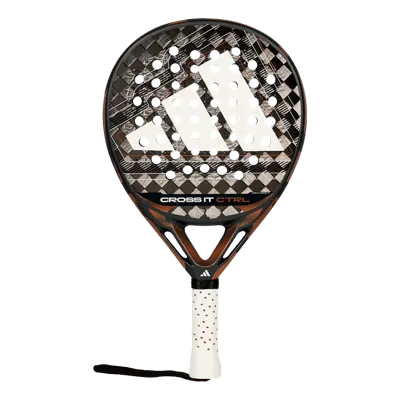
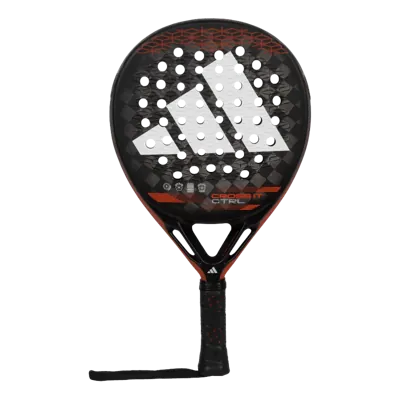
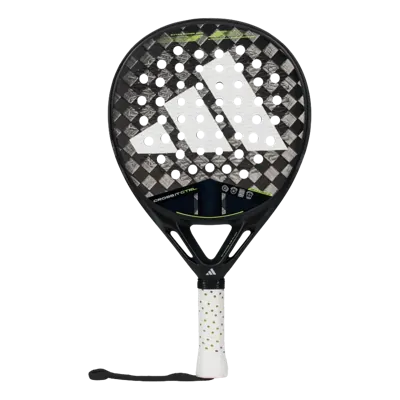
The adidas Cross IT Ctrl 2026 shares its round shape with last year's Cross IT CTRL 3.4. Same Carbon Aluminized 15K face, same EVA High Memory core, same 360 to 375 g weight. adidas points it at professional players, and retailers describe the player profile as control. Before anything else, you should know what that 2026 label actually means.
A 2026 label on 2025 specs
Put the published specs of this racket next to the Cross IT CTRL 3.4 and every line matches. Same even balance, same core, same face, same 38 mm profile, same weight range, same Spin Blade Mold surface. There is no measured change here, because there is no change at all. What changed is the name.
Two gaps are worth knowing. adidas does not publish the balance in millimetres for this version, so there is no figure for where the balance point sits. The 2024 original listed 265 mm, but that number is not confirmed for the 2026. The frame is listed as carbon by a retailer, not by the brand.
Go back one more step. The 2024 Cross IT Ctrl differs from the 3.4 in one published field only. The surface label moved from Rough structure to Spin Blade Mold. A changed label is a changed label, not a measured upgrade.
Round, even balance, 15K carbon: where the control comes from
A round shape puts the sweet spot in the middle of the face and keeps it wide. The even balance keeps the racket neutral through the swing. Add a medium EVA High Memory core and a stiff Carbon Aluminized 15K face, and you get a racket that answers questions of direction precisely. You feel where the ball leaves the face.
That same stiffness explains the low power reading. A round shape does not multiply pace, and this face does not give it away either. You supply the speed. The racket supplies the line.
Retailers describe the core density as stiff, and brand listings put the length at 455 mm. The product page makes two claims about the holes: adidas says the holes in the centre reduce air resistance for maneuverability, and that eleven smaller central holes add rigidity, power and durability. The page also mentions a system it calls Dynamic Air Flow, without linking that name to the hole pattern. Treat all of this as brand claims, not measurements.
Low maneuverability on the meter, easy hands on video
On paper, maneuverability reads Low. The weight range sits at the heavy end, and the even balance only partly compensates. Expect a racket that rewards preparation more than wrist flicks.
The video testers tell a different story. La Chiquita Pádel found it easy to move at the net. Padel Reviews called it stable and very easy to handle in defense. That channel also praised what it described as one of the largest sweet spots it had seen. SetUP Padel tested a racket it matched only partially to this exact model, so read its findings with care. That reviewer found it agile in the air, but preferred the lighter Cross IT Light and called the carbon face quite hard.
Who is right? Possibly both. The weight is real, and so is the even balance that keeps the racket calm in the hand. If your defense relies on fast reactions at the net, the heavier end of the range will ask more of you.
68 out of 100, and the power warning that comes with it
The one written court test comes from padel.how, and they actually played it. Their rating: 68 out of 100. They praised the firm carbon construction with clear directional feedback, plus a central sweet spot that supports repeatable placement. The downside was blunt. The racket requires early preparation and lacks easy finishing power.
According to padel.how, it suits a player who prepares early and constructs points with direction instead of relying on easy finishing. That matches the specs. Low power is not a flaw in this design. It is the design.
3.4, Carbon Ctrl or Kuikma Control Pro: picking your control racket
If you like this formula, you have options inside and outside adidas. The Cross IT CTRL 3.4 is the same racket on paper, so the spec sheet will not settle that choice for you.
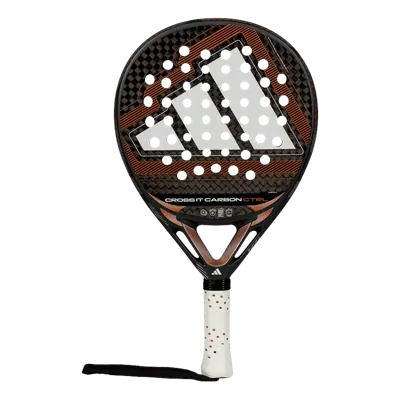
The adidas Cross IT Carbon Ctrl 2026 keeps the round control layout but swaps in an EVA Soft Performance core and an 18K aluminized face. On the meters that means the same high control with medium comfort instead of low. If your arm complains about stiff carbon, that is the logical side step.
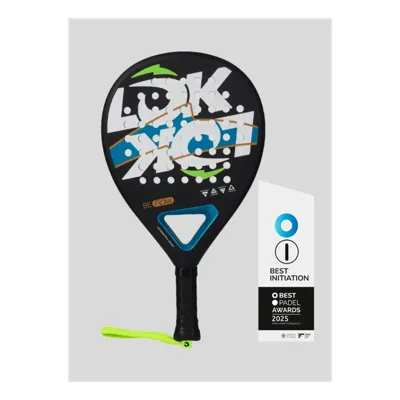
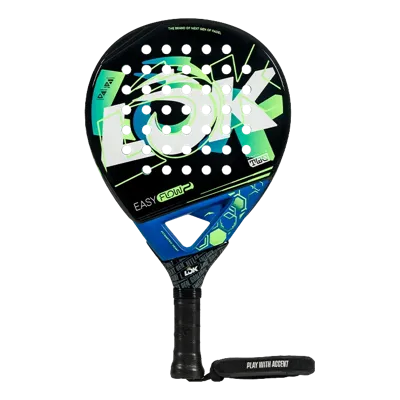
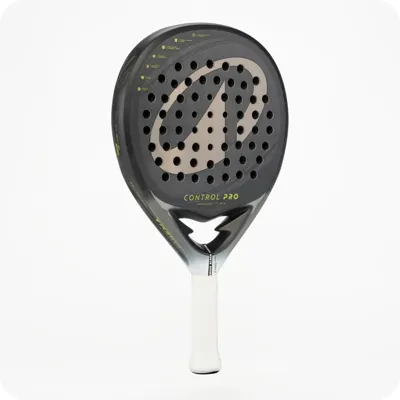
Outside adidas, the Kuikma Control Pro combines 18K carbon with a dual-density EVA core and also rates medium on comfort. The LOK Be Flow is the beginner option in this group: round, same weight class, but a smaller sweet spot on the meter. None of these will hand you power either. That is the deal with control rackets.