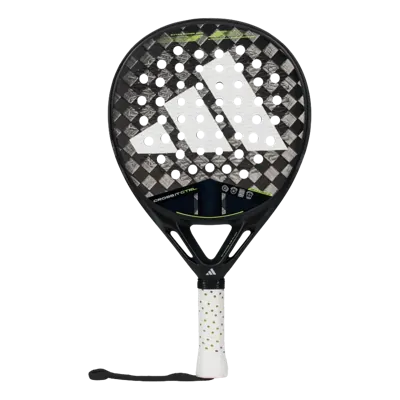
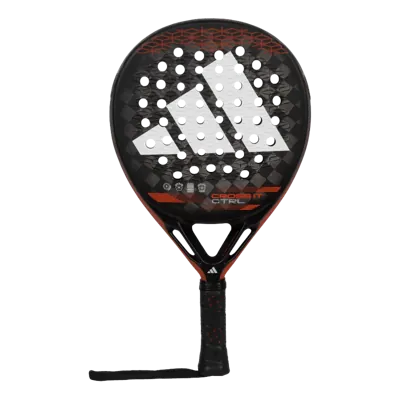
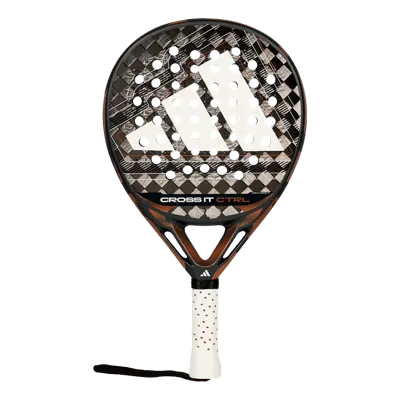
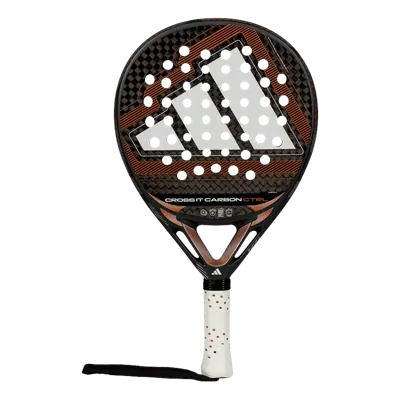
Three names, nearly one racket. The 2024 Cross IT Ctrl, this 3.4 and the 2026 Ctrl share core, face, shape, thickness and weight window. Among the published specs, only the surface label sets the first apart. A new name often hints at a new racket. Here, on paper, it does not. So the real question is not which year to buy, but whether this style of racket suits you.
Three names on one spec sheet: what is really different
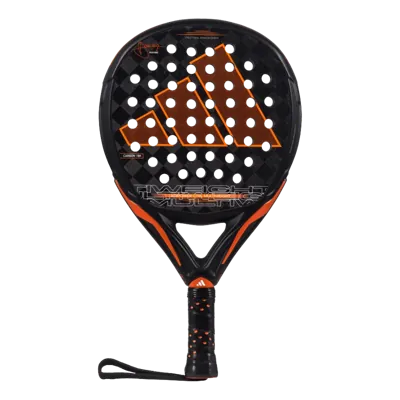
The 3.4 is a round racket with an even balance. The face is Carbon Aluminized 15K, the core is EVA High Memory and the thickness is 38 mm. The weight runs from 360 g to 375 g. Adidas lists the length as 455 mm and the level as Professional.
The 2026 Ctrl matches it on every published spec. Frame is not published for the 3.4, so that one detail cannot be compared. Treat the two as the same racket under different names.
For a direct look, use the comparison with the 2026 Ctrl or open the 2026 Ctrl page.
Rough structure to Spin Blade Mold: a label, not a measured change
The 2024 Cross IT Ctrl lists a rough structure. The 3.4 lists Spin Blade Mold. That is a changed label. Nothing in the published data shows a measured difference in grip on the ball. Do not buy the 3.4 expecting more spin than the original.
A video review likes the balance, padel.how says prepare early
One source tested the twin and one video covers this racket. A video review from Padel Chiquito calls it versatile, with a good balance of control and power across the court. It also says power is short for aggressive attacking shots.
padel.how tested the identical 2026 Ctrl and gave it 68 out of 100. It likes the firm carbon feedback and the central sweet spot. It says you must prepare early because easy finishing power is missing. Both name the same weak point. The video is more positive about versatility, while padel.how stresses early preparation. Your own game decides which view fits you.
Round, even balance, 360 to 375 g: why handling reads Low
A round head with an even balance usually moves easily. Here the weight works against that. At 360 to 375 g it is a heavy racket, and the maneuverability meter reads Low because of it.
If you want quickness, look at the lighter Cross IT Light 3.4. It has the same round shape and even balance at 345 to 360 g.
The product page also claims that the open holes in the core cut air resistance and ease handling. That is a brand claim, and the handling meter stays low anyway.
Carbon 15K over High Memory EVA: what to expect in your arm
The face is stiff carbon, and stiff faces tend to pass on more vibration. The core is EVA High Memory, which adds some give. Adidas names its anti-vibration feature Dynamic Air Flow. That is a brand claim, and the comfort meter still reads Low because of the stiff face and the heavy build.
Players should know the picture is mixed. padel.how rated comfort positive on the twin. The video review called the racket pleasant. If your elbow or shoulder is sensitive, take the weight seriously. Start at the lower end of the 360 to 375 g window if you can choose.
Frame, handle and weight system are not published. Check them in a shop if they matter to you.
Cross IT Ctrl 3.4 or Carbon Ctrl 2026: the comfort gap
The adidas Cross IT Carbon Ctrl 2026 shares the round shape, even balance, 38 mm thickness and weight window. It swaps in an EVA Soft Performance core and a Carbon Aluminized 18K face. Its comfort meter is Medium against Low here, with the other meters equal.
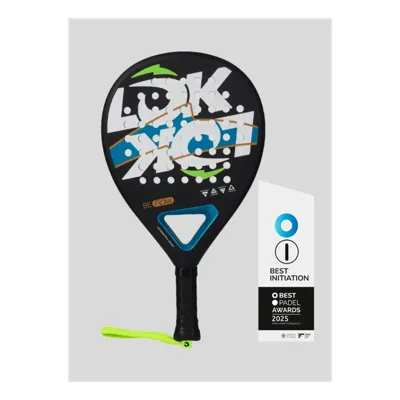
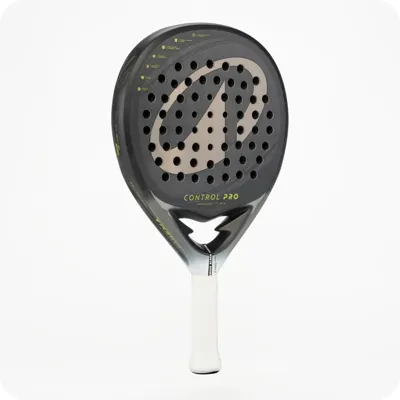
If you like the control profile but worry about your arm, that is the one to compare. The Kuikma Control Pro also reads Medium for comfort, with the same control and sweet spot ratings. It is a different build, though. It has a dual-density EVA foam core and an 18K carbon face, a minimum weight of 361 g, and no thickness listed. Compare the two side by side before you decide.