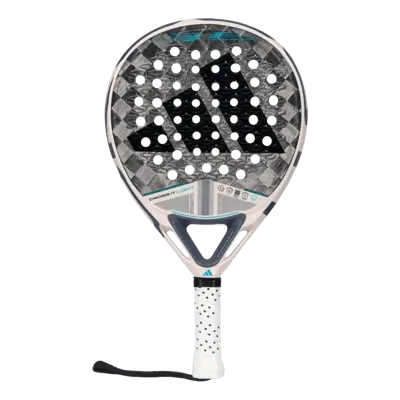
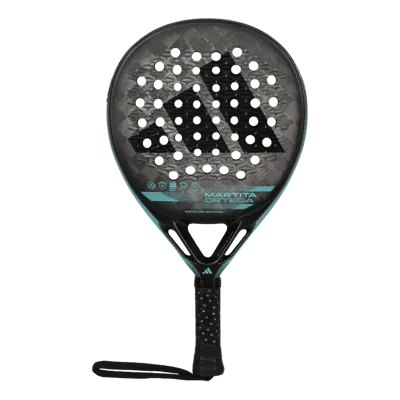
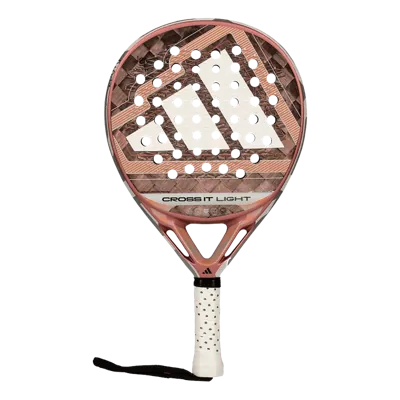
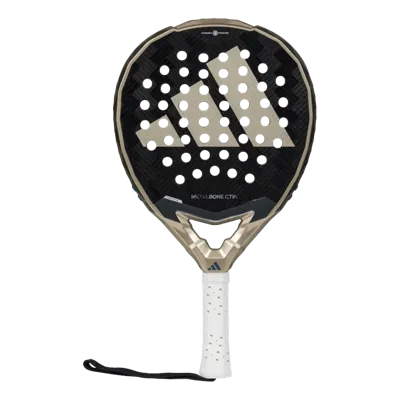
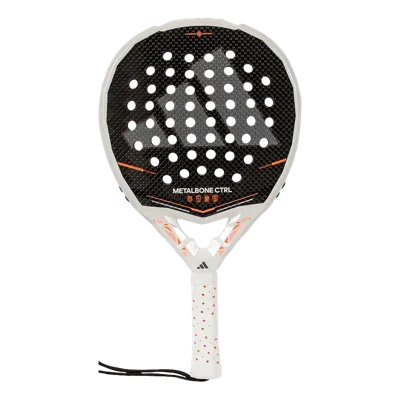
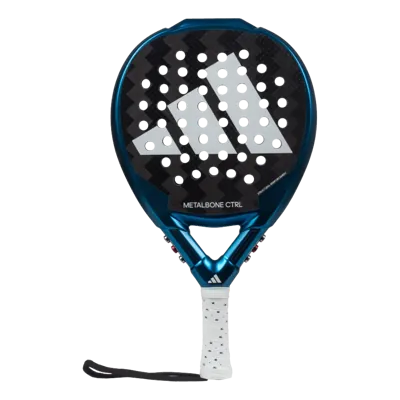
Four video reviewers played the adidas Cross IT Light 3.4, and three of them described the sweet spot as large or wide. That is the first thing to know about this racket. It is built for ease, not for force.
Wide sweet spot, little finishing power: where four video reviews agree and split
Most reviewers described a racket that is easy to handle. Several added comfort and control, especially in defence and at the net. One called it highly recommended for players who want comfort and control.
They split on power. A video review from Padel Test by Roberto Cardi found good power and control together. Padel Chiquito said it lacks significant power for smashes. Padel Review missed some inertia and weight. So treat power as the open question. If you hit flat and hard, expect to do the work yourself.
The sweet spot also divides them, though less. Three called it wide or large. One found it slightly smaller than expected. Zona de Pádel added a small warning: the ball can get trapped if you hit it flat.
Professional on the label, light in the hand: what 345 to 360 g asks of an advanced arm
The brand labels the racket Professional. It lists the weight as 345 to 360 g. The racket is 455 mm long and 38 mm thick, and the handle is called Power Extra Grip. The brand associates it with Marta Ortega.
Here the label and the reviews do not line up neatly. The video reviewers pointed at intermediate to advanced players who like a lighter racket. One said it suits female players and right-side male players who want comfort and ease. That is their view, not a fact about the racket. A Professional tag says little about how hard the racket is to play. The profile meters and the reviews suggest a forgiving one.
The lower weight is the likely reason for the agility. It may also be behind the complaint about power. Less mass behind the ball means you supply more of the speed. One reviewer said high overhead shots take effort.
Soft Energy core under 24K carbon: why control and sweet spot read High and power Low
The core is EVA Soft Energy. The face is Carbon Aluminized 24K. The pairing explains the meters.
A soft core raises control, comfort and sweet spot size. It also lowers power, because it gives the ball less spring. The carbon face works the other way: it adds some power and takes a little comfort away. The round shape pushes control and sweet spot up and power down. The even balance adds to control.
The result is a racket that rates high for control and sweet spot, low for power and medium for comfort. One reviewer listed a slightly soft feel as a drawback.
The product page makes bigger claims. It says the hole layout improves rigidity and power. It also says the racket balances a rigid surface for power with a soft touch. Those are marketing claims. The reviews do not confirm extra power.
Spin Blade Mold: the one label that moved against the 3.3
The 3.3 from 2024 lists the same balance, core, face, shape, thickness and weight range as this racket. The surface changed from Spin Blade to Spin Blade Mold. That is a different label on the sheet, and no source here measures what it does on court.
One video review said the ball exit is improved compared to the previous year's model. Read that as one reviewer's impression. If you own a 3.3, the specs give you no strong reason to expect a different racket.
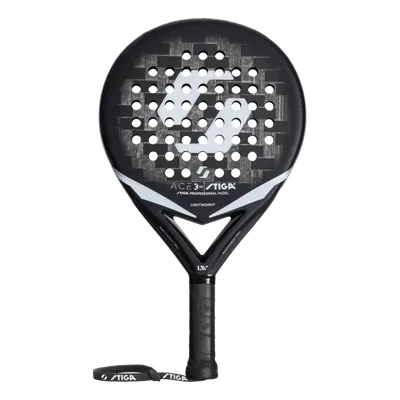
Cross IT Light 3.4 next to the Stiga ACE 3 LW and the Tecnifibre Wall Master 355
The Stiga ACE 3 LW has the same profile on control, power, comfort and sweet spot. It differs in one meter: maneuverability is high there, medium here. It weighs 350 g, is labelled Intermediate and has a medium balance.
The Tecnifibre Wall Master 355 is another round, low-power, high-control racket. It is a fixed 355 g, with an EVA core, a graphite face and a Beginner label.
All three share the same control-first profile on the meters.
Missing numbers: balance point, head size and frame material
The balance is labelled Even, but the figure in mm is not published. Head size in cm2 is not published either. Neither is the frame material, or a weight system. That matters, because the even label alone cannot tell you how close it sits to head-light or head-heavy.
If these details decide your purchase, check the racket in your hand before you commit.